)
)
)
Focus on Climate Protection
Climate change is one of the central challenges of our time and requires action. We contribute by integrating climate and environmental protection into our business activities. Our company’s CO₂ footprint provides an important basis for measuring progress, with the aim of gradually reducing it in the course of our business activities.
To this end, we focus on targeted measures to reduce CO₂ emissions and continuously develop our range of products and services, including by increasing the share of fully electric vehicles. Our activities are concentrated in clearly defined focus areas: Decarbonizing Mobility, Green Finance, Circular Economy, Green Building, and Green Operations & Digital Business. Green IT is addressed as a cross-cutting topic across a number of processes.
We consider climate protection a shared responsibility that extends across the different areas of our business.
Reduction of CO₂ emissions
At Porsche Holding Salzburg, the CO₂ footprint forms the basis for analysing emissions and systematically working towards their reduction.
We have set ourselves the target of reducing our CO₂ emissions from Scope 1 and Scope 2 by 42% by 2030 compared with the base year 2021.
Our decarbonisation measures focus on the following areas:
ENERGY SAVINGS AND ENERGY EFFICIENCY
- Energy savings through usage behaviour.
- Building transformation: new buildings according to the standards of the German Sustainable Building Council (DGNB), as well as renovations of existing buildings.
FLEET DECARBONISATION
- Gradual conversion of company cars and the company fleet to fully electric vehicles.
RENEWABLE ENERGY
- Expansion of photovoltaic systems.
- Purchase of electricity from renewable sources.

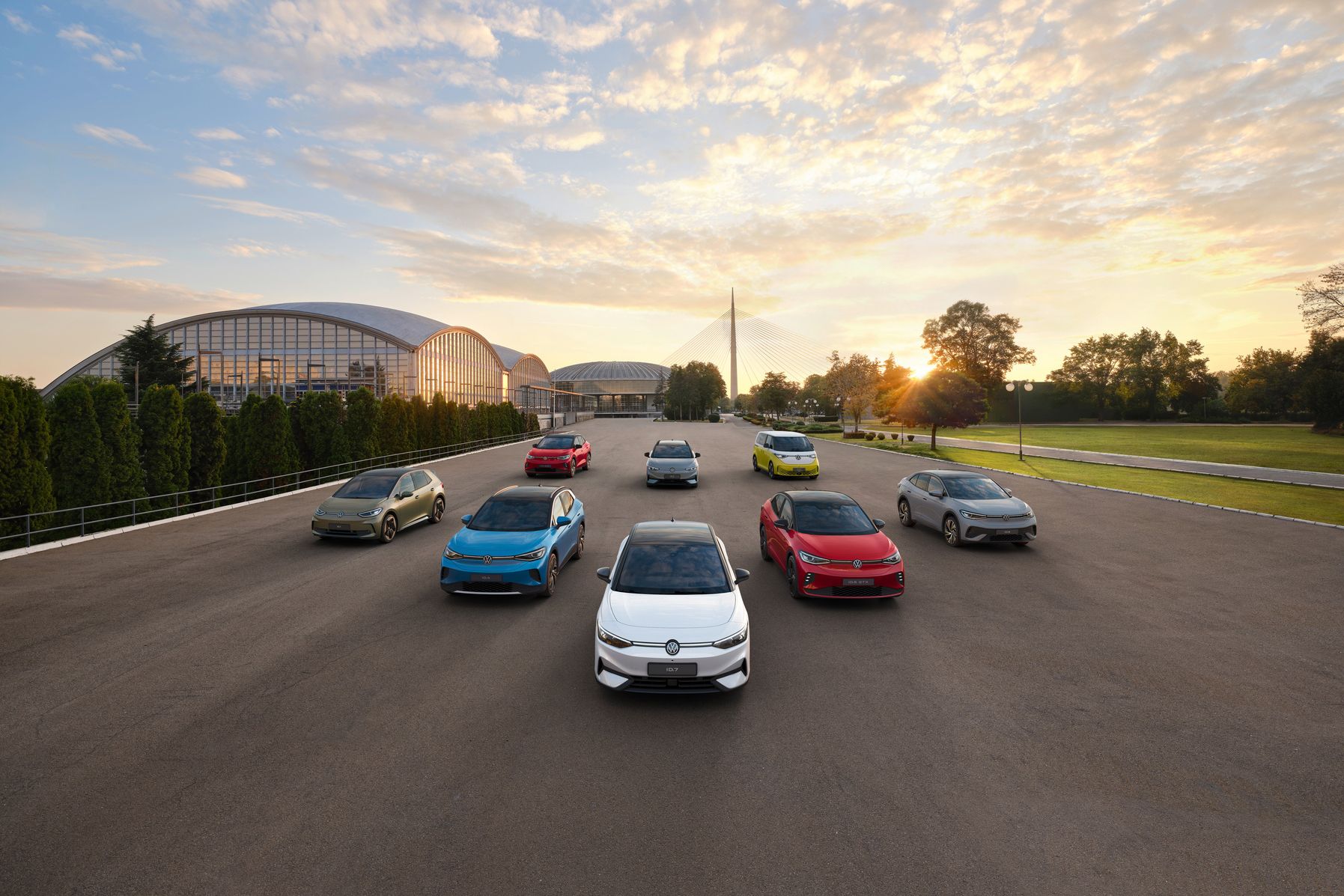
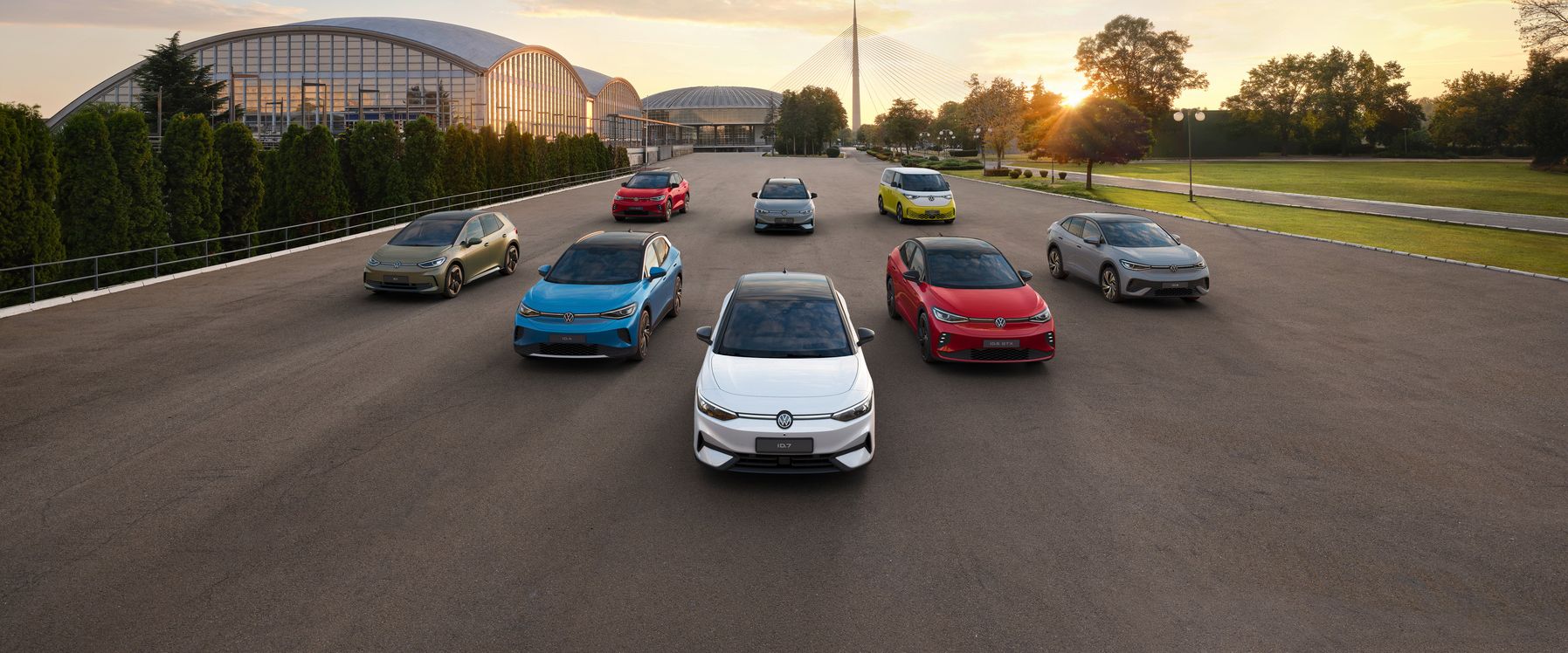
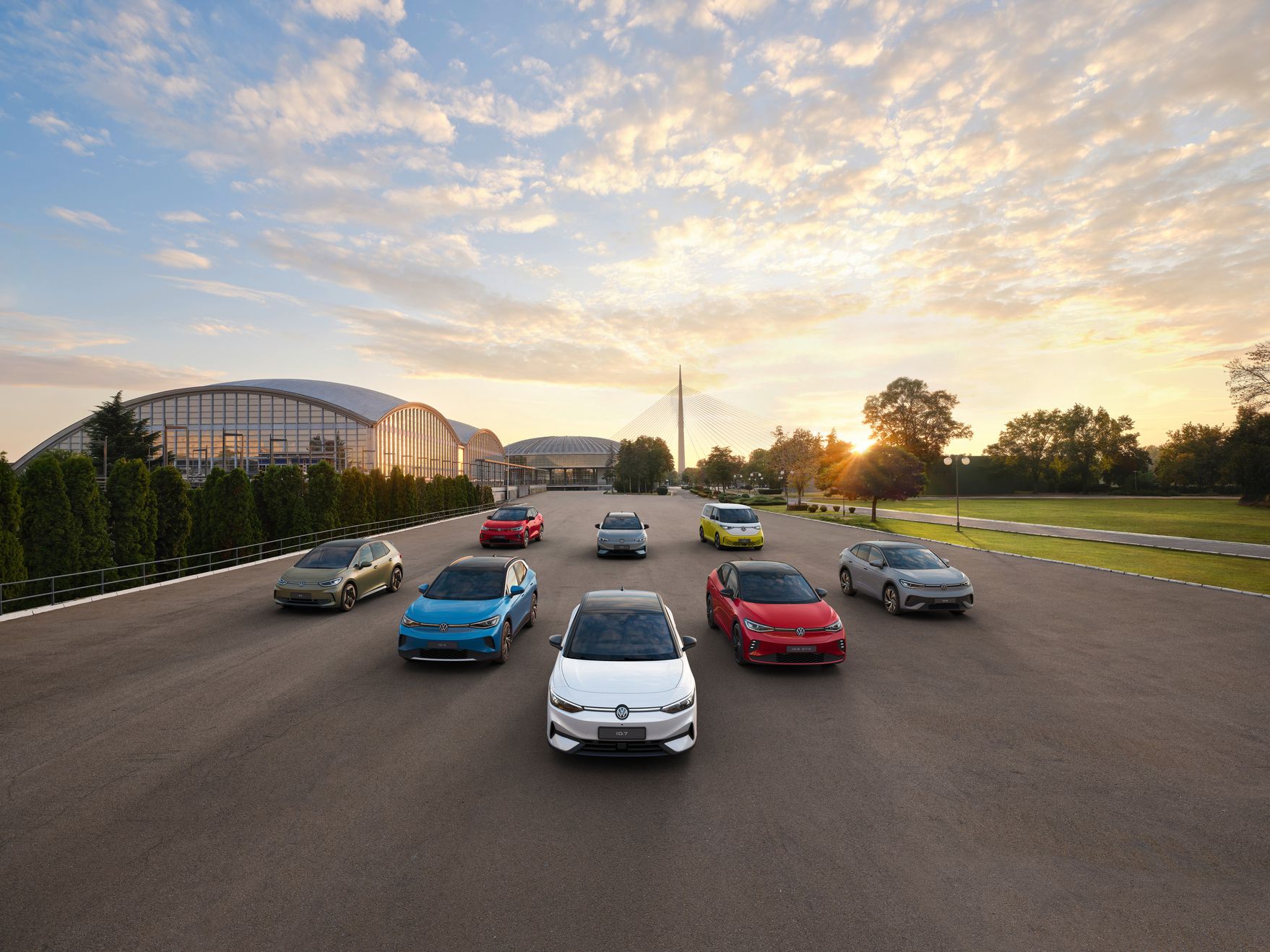
Focus on fully electric vehicles
We are increasingly focusing our offering on all-electric vehicles (BEVs) in order to contribute to the reduction of CO₂ emissions as part of our business activities, especially in the use phase of our vehicles. In doing so, we rely on a broad portfolio of models as well as close cooperation with our brand partners.
Studies on the life cycle of vehicles show that battery-electric models tend to cause lower greenhouse gas and air pollutant emissions than comparable vehicles with combustion engines under current and expected future conditions in Europe. However, the specific extent of these savings varies and is influenced, among other things, by the electricity mix used, the type of vehicle and individual usage behaviour (e.g. ICCT, 2025). [Life-cycle greenhouse gas emissions from passenger cars in the European Union: A 2025 update and key factors to consider – International Council on Clean Transportation]
Further information on e-mobility can also be found at: Info-Hub E-Mobility | Volkswagen Group.
At the same time, digital and software-based services along mobility are becoming increasingly important. Together with the automotive manufacturers, we are working on further developing corresponding solutions and integrating them into our product range. The aim is to provide our customers with networked and user-oriented mobility solutions in which vehicles, software and services interlock.